
 Home
Home
Share this article on


June 17, 2026
Community
European Libraries Selected for Digital Libraries Project
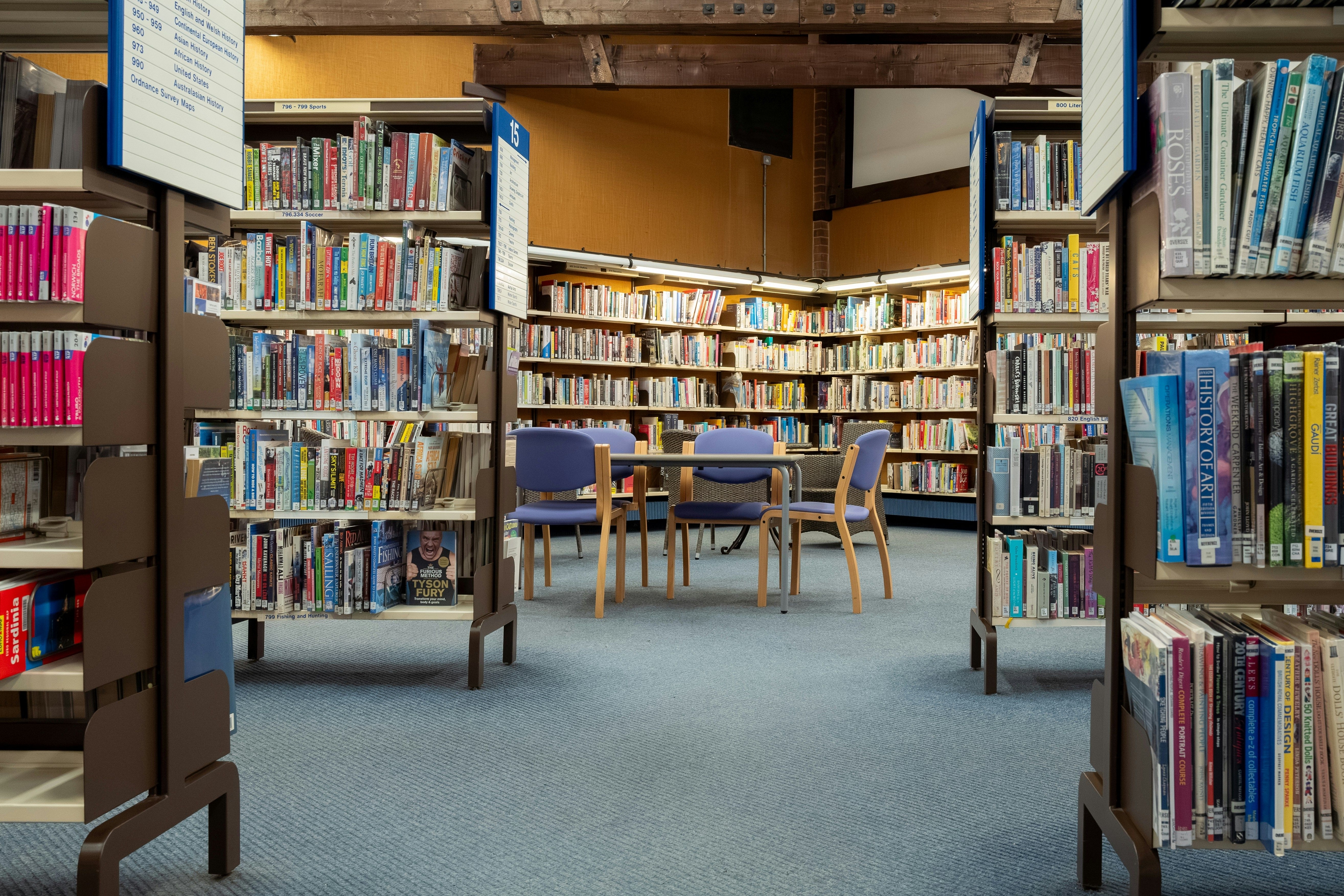
[Update 21/07/2026: change in the list of selected libraries] Public libraries across Europe are stepping into a new role as key drivers of digital inclusion. As part of the Erasmus+ Digital Libraries (DigLib) project, 22 selected libraries from Belgium, Italy, Poland, and Romania will pilot Library Living Labs - innovative learning environments designed to help adults develop essential digital skills.
Over a six-month period, each participating library will organise a series of hands-on educational activities, reaching at least 25 adults, with a particular focus on digitally excluded groups. Topics will include artificial intelligence, digital safety, misinformation, and content creation.
Major Library Systems Leading the Way
Several of the selected institutions are large, established libraries with strong infrastructures and extensive public reach.
In Italy, Salaborsa Library (Bologna) and the Florence Municipal Library System play a central role in their cities’ cultural life, offering open access to multimedia collections and a wide range of educational programmes. Similarly, Utopia Library (Aalst, Belgium) serves as a highly accessible “living room of the city,” combining long opening hours with a strategic focus on digital inclusion.
In Romania, major systems such as the Bucharest Metropolitan Library - with its network of 30 branches - and the Mureș County Library coordinate large-scale digital education programmes. The “Alexandru and Aristia Aman” County Library in Craiova also contributes with structured training initiatives, including blended learning approaches and certifications for digital skills.
Experienced Libraries in Digital Education
A number of libraries bring significant experience in delivering digital education and are now looking to further strengthen their methodologies.
In Poland, the Gliwice Municipal Public Library and the Łódź City Library stand out for their comprehensive programmes, covering both basic digital skills and advanced topics such as artificial intelligence and media literacy. The John Paul II Municipal Public Library in Opole complements this with long-term, structured support for seniors.
Romania’s “Radu Rosetti” Municipal Library in Onești has over a decade of experience in training adults and seniors, offering practical sessions on everyday digital tools and online safety.
In Belgium, Bibliotheek Bree and Bibliotheek Waregem have developed solid digital inclusion programmes, combining workshops, help desks, and partnerships to reach vulnerable groups and expand access to digital skills.
Strong Community Focus and Inclusion
Many selected libraries are deeply rooted in their communities and focus on making digital learning accessible to all.
In Poland, the Główczyce Municipal Public Library demonstrates how a small institution can deliver impactful digital education, particularly for seniors, while the Aleksander Fredro Public Library in Siennica shows how to provide ad hoc support on a daily basis, despite limited resources.
In Romania, the “I.S. Bădescu” Sălaj County Library supports citizens with practical training on digital tools and public services, while contributing to the development of digital infrastructure across the region.
Belgium’s Bibliotheek Tervuren, located in a multicultural context, actively works to reach diverse communities and broaden participation in digital learning.
Collaboration and Network Innovation
Collaboration is a key element of the DigLib project, and several selected libraries operate within strong networks.
The Bibkwintet partnership (Aartselaar & Boechout, Belgium) brings together seven libraries working collaboratively on shared services and educational initiatives, with plans to scale digital inclusion through a train-the-trainer model.
In Italy, L’Ariston Urban Center of Lainate, part of the CSBNO network, combines library services with a multifunctional cultural space, while the Florence system demonstrates how coordinated approaches can enhance access across an entire metropolitan area.
Innovation and Future-Oriented Learning
Other libraries are distinguished by their focus on innovation and experimentation.
The Archimede Multimedia Library (Settimo Torinese, Italy) has a strong technological orientation and promotes digital literacy through creative and forward-looking activities. In Poland, the Adam Asnyk Public Library in Trzebinia is developing new learning spaces and STEM-related initiatives.
Belgium’s Bibliotheek Zedelgem is working to expand its digital offer and strengthen its capacity following a strategic self-assessment process. Meanwhile, Italy’s National Library of Potenza brings a unique perspective, linking cultural heritage with modern educational initiatives.
Building Inclusive Digital Futures
Despite their diversity, all the 22 selected libraries share a common goal: to support lifelong learning and ensure that no one is left behind in the digital transition.
Through the Library Living Labs, these institutions will test new approaches to adult education, combining local expertise with international collaboration. The project will not only enhance digital skills among participants but also strengthen libraries as adaptive, innovative spaces at the heart of their communities.